Highlight a seasonal guide, local partnership, or community offer for travelers exploring Córdoba.
Community Photos
No photos yet. Be the first to contribute!
Recently Added
What People Are Saying
2 / 2
Judería de Córdoba (Jewish Quarter of Córdoba Street)
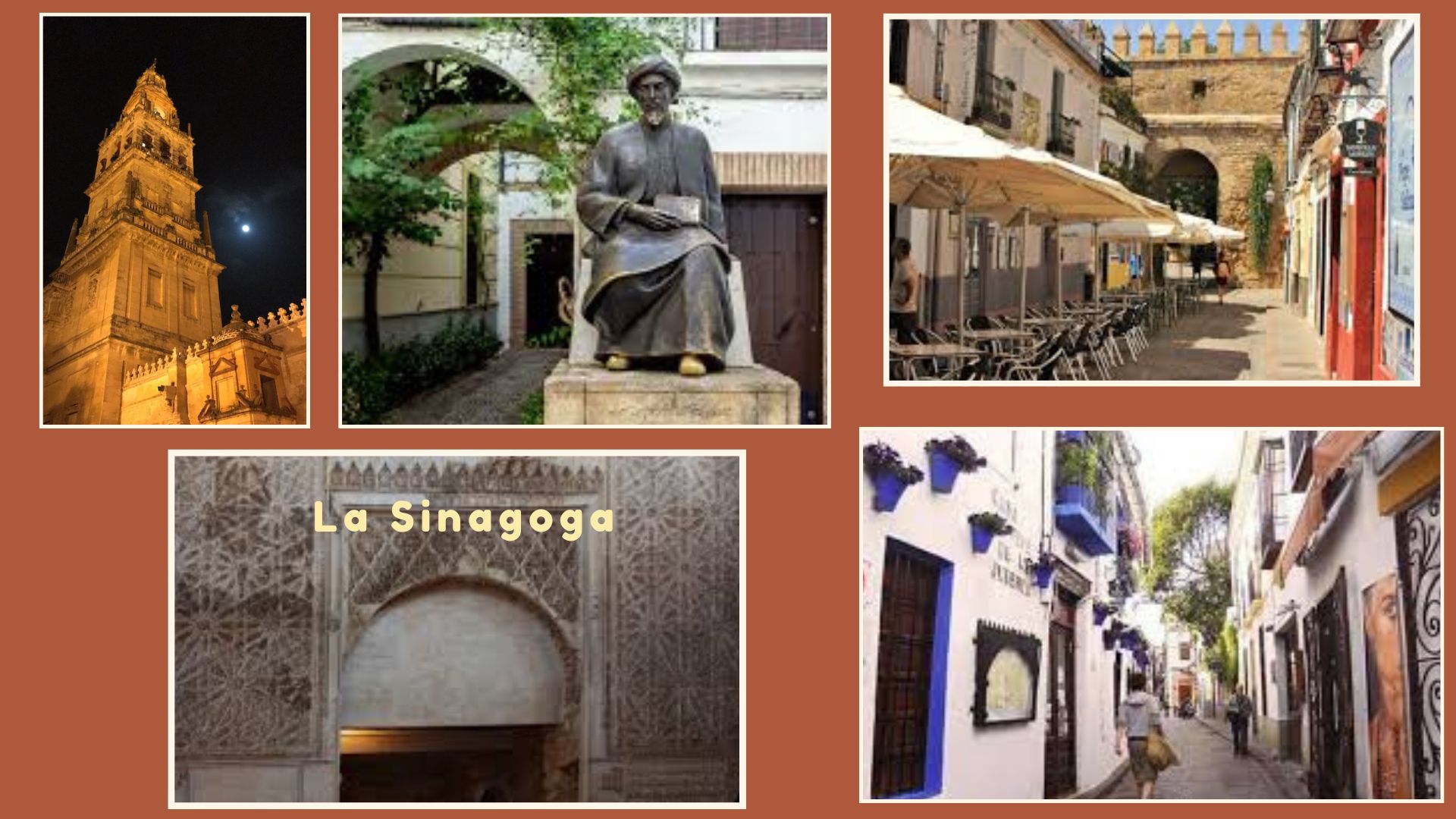
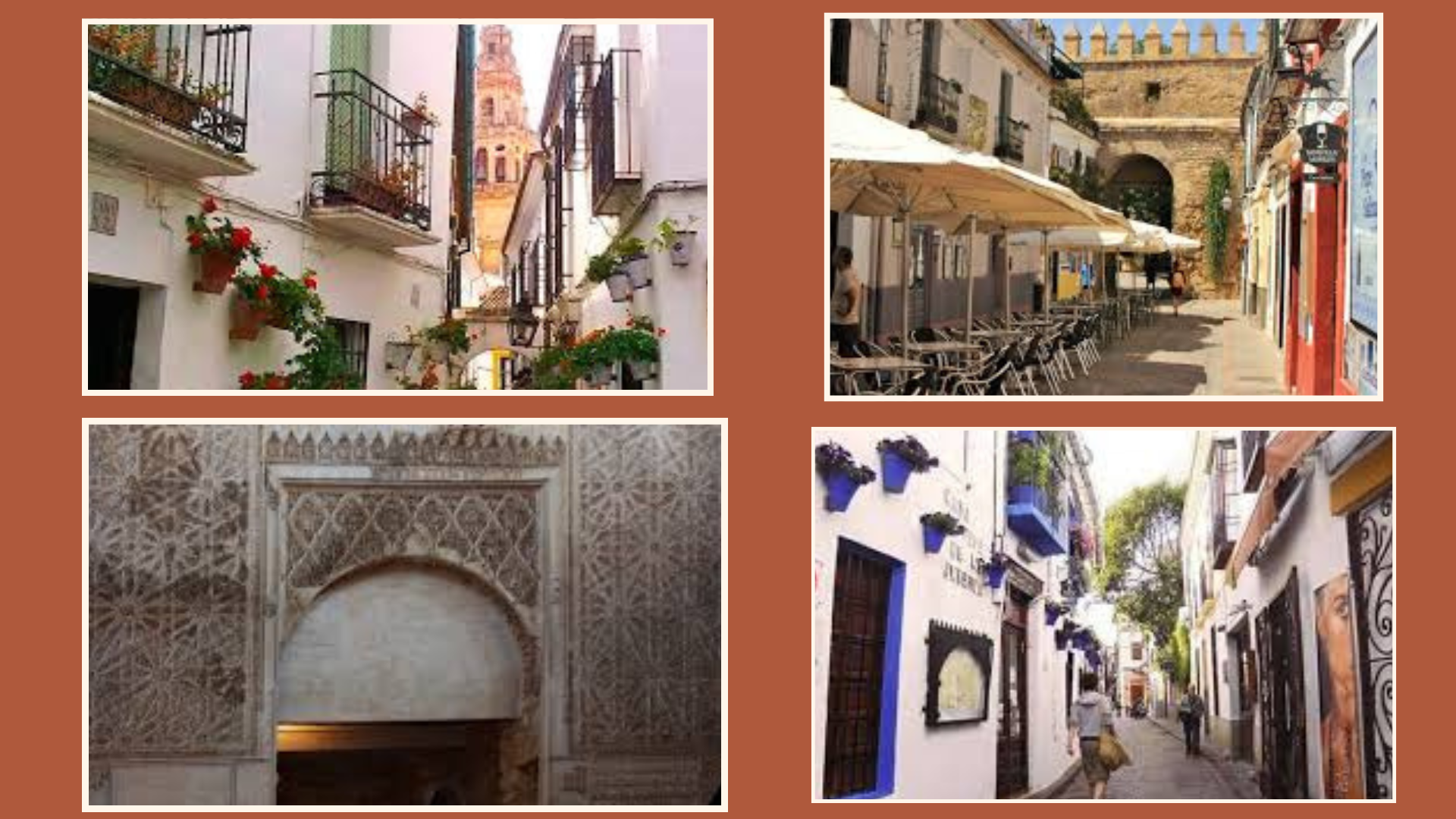
The Judería de Córdoba, the ancient Jewish Quarter of Córdoba', is the area of Córdoba where the Jews lived between the 10th and 15th centuries. It's the most beautiful part of the city. &n...
by
LR
Trusted Traveler
January 24, 2026 at 4:06 PM
La Juderia of Cordoba
The city of Cordoba has a well-preserved Jewish quarter, located in the historic centre, which is part of the area named a World Heritage Site by UNESCO in 1994. The Jewish Quarter retains the traditi...
The Córdoba Synagogue is one of the few well-preserved medieval synagogues in Spain and serves as a key attraction in the Jewish Quarter of Córdoba.
Completed in 1315, with its Mudéjar design attributed to Isaac Makheb, the synagogue's small size suggests it was a private synagogue of a wealthy resident. It's also possible that it was a local trade guild's workroom or a residence before being converted to a synagogue.
The Córdoba Synagogue was influenced by the Mudejar tradition of stucco panels, stylized geometric patterns, and floral patterns. Hebrew verses in the style of the Ibn Shushan Synagogue of Toledo wrap around the windows, and much as in Toledo the stucco panels used many colors. The inscriptions featured inside the synagogue are mostly from Psalms, other books of the Bible, and piyyutim (liturgical poetry).
The floor plan of the synagogue, as well as other synagogues of the time period, was greatly affected by the restrictions placed upon synagogue construction by Christian leaders. The size of the synagogue had to reflect its humility and inferiority to the Catholic church.
The entrance to the synagogue, the façade, is located on the northern wall of the courtyard with three openings: a door and two windows on either side.
The prayer hall is the largest room in the synagogue, but even it is small in comparison to most buildings or homes of the period. The women's section of the synagogue is in the gallery above the entrance hall; it's unclear whether the women's section and the entrance hall were part of the original building.
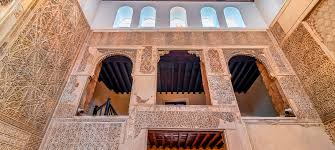
The women's section features three broad arches that look onto the sanctuary. These arches are decorated with elaborately interwoven stucco and latticework, customary in Sephardic synagogues.
The three arches are interwoven with elaborate patterns and Hebrew text.
The hekhal (ark), where the Torah scrolls were kept, was located on the eastern wall, which was customary. The wall is angled, following the street outside, and was decorated with elaborate stucco in accordance with the Mudejar tradition.
The location of the hekhal was based on directions given by Maimonides in his authoritative legal code, the Mishneh Torah.
It was used as a synagogue until 1492. The Sinagoga de Cordoba was restored and reopened as a Jewish museum in 1985, to celebrate the 850th anniversary of the birth of Jewish philospher Maimonides.
It is the only synagogue in Córdoba that escaped destruction during years of persecution. Although no longer functioning as a syngogue, it's open to the public.
Hours
Generally Tuesday–Saturday 9:30–14:00 & 15:30–17:30, Sundays 9:30–14:00, closed Mondays.
Entry is free for individual visitors.
A UNESCO World Heritage site characterized by narrow, whitewashed alleys like Calle de los Judíos.The Jewish Quarter of Córdoba is the main area of Córdoba that was the neighborhood where Jews lived between the 13th and 15th centuries.
La Judaria forms part of the historic center of Cordoba; it contains, in addition to the Mosque-Cathedral, museums such as the Casa de Sefarad and monuments such as the Synagogue , the Municipal Souk and the Mudejar chapel of San Bartolomé.
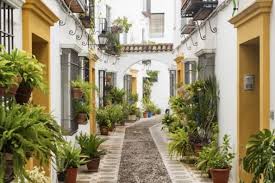
In Tiberias Square you'll find the statue of the Jewish philosopher Maimonides who was born in Cordoba. The charming area features narrow, winding streets (like Calleja de las Flores) with flower-filled patios.
There is evidence of a Jewish presence in Córdoba since Roman times.